Street Fashion
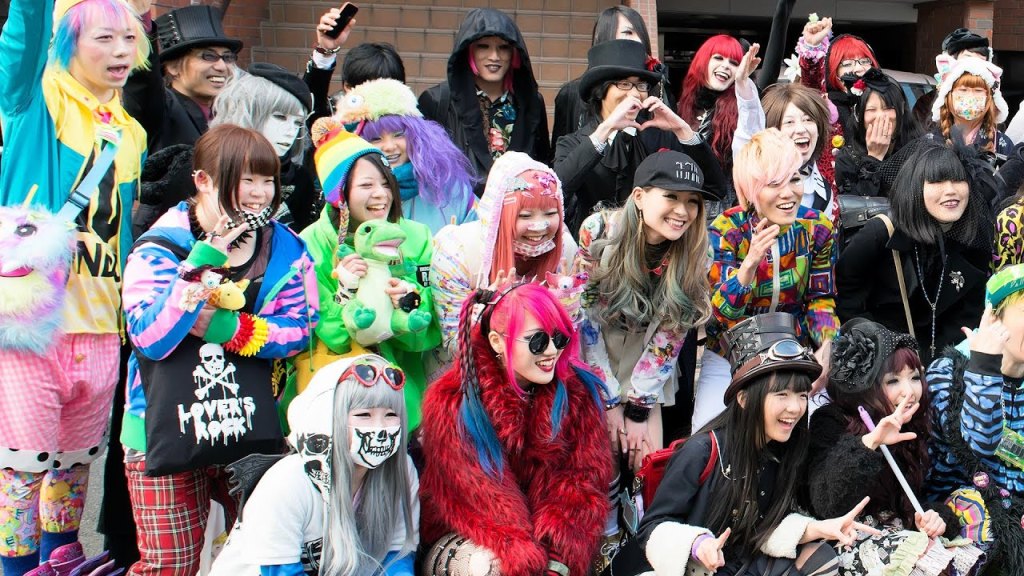
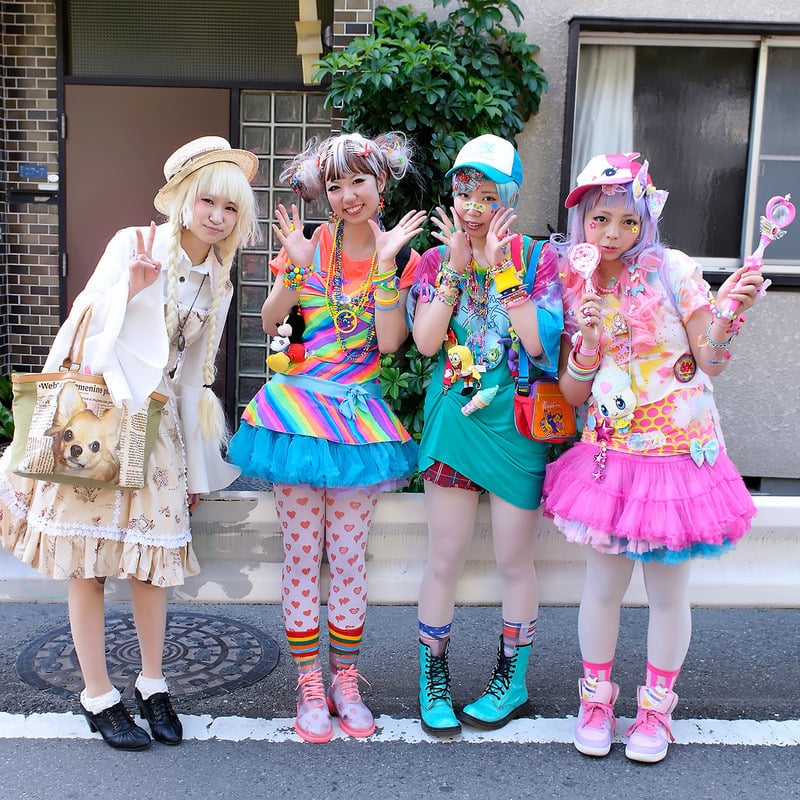
Street fashion in Japan tends to bring out the latest trends to the public’s eye. Major cities such as Tokyo, Harajuku, and Shibuya are known for their dynamic and influencing street fashion culture. One of the most commonly known styles are “Harajuku Girls” if you’ve ever heard of them. In Harajuku fashion, layering is a big thing due to the believed notion that “more is more”. There are different types of Harajuku and other street styles but they all go above and beyond, some mixing in punk-rock looks or bright, pastel colors.

Traditional Japanese Fashion
Now to dial it back down a little to the original fashion trends of Japan. The kimono is one of the most well known pieces of traditional Japanese clothing. It is used in various occasions, including traditional Shinto weddings, graduation ceremonies, weddings, and funerals. However, the kimono has gathered a reputation for itself for being uncomfortable and difficult to put on and wear. Some slightly more casual pieces that have slowly begun to replace the kimono are the yukata and the hakama. The traditional clothing is not worn very often, and is saved for more significant events. The different colors and materials of the clothing are used for different events, and along with that are often worn based on the season.
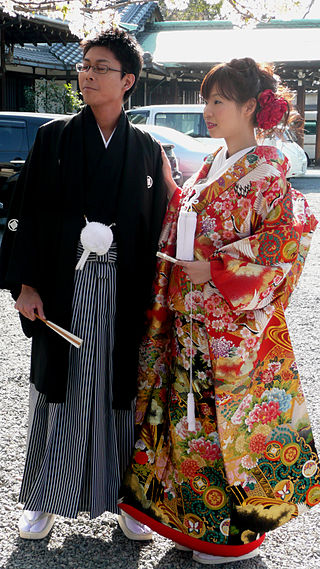
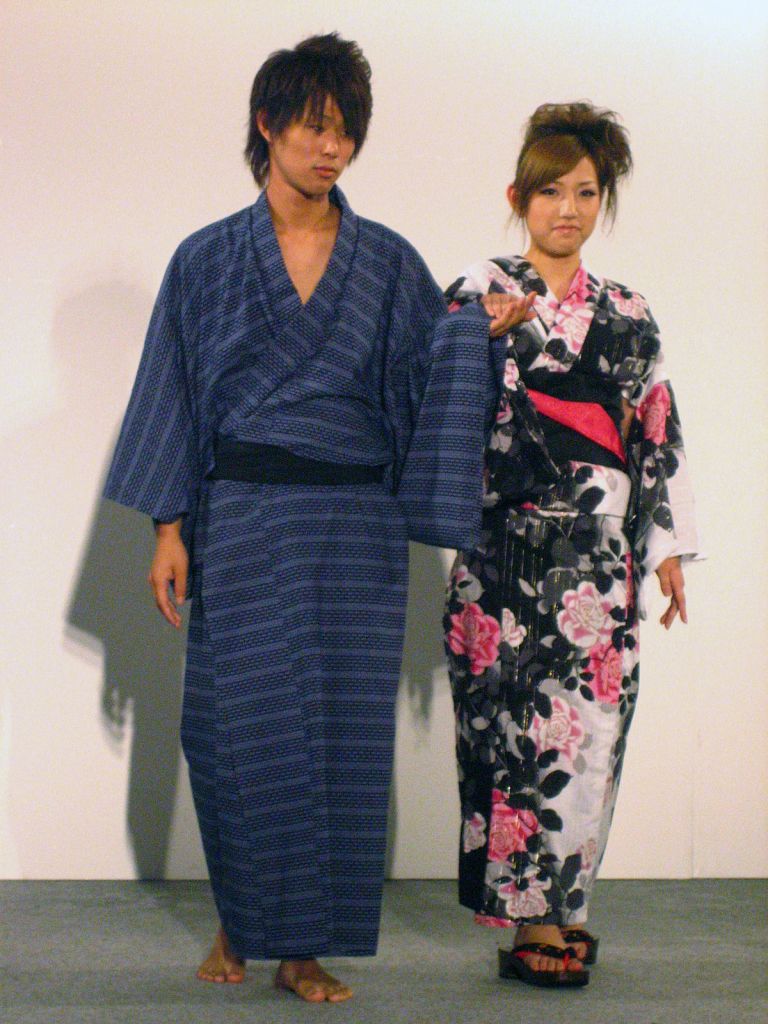
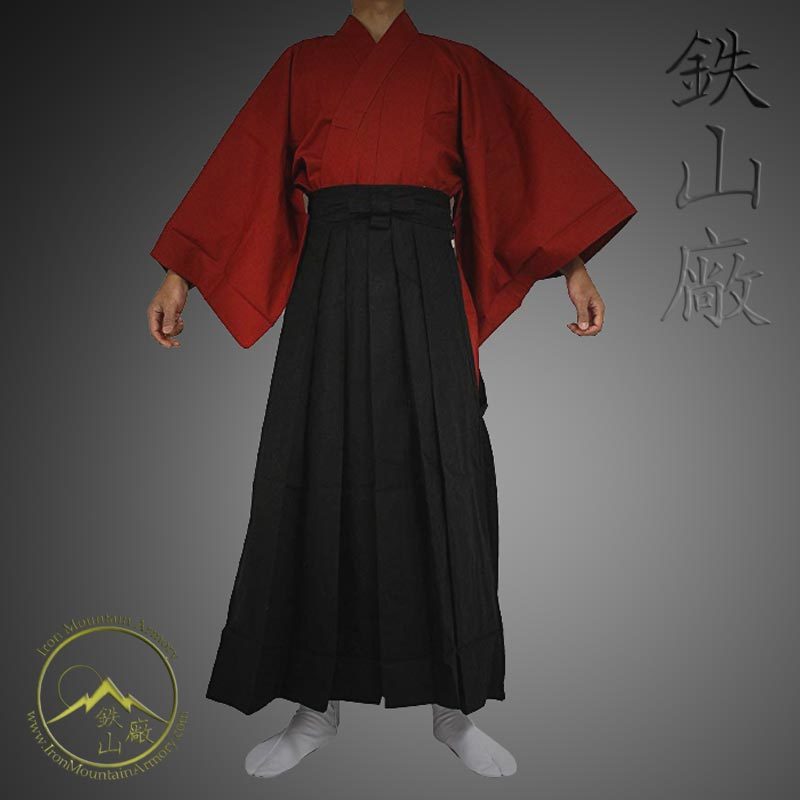
The first picture shown is a man and woman in traditional kimono wear. In the second picture, the couple is wearing yukatas. The third picture shows a hakama.
Events and Coordinating Outfits
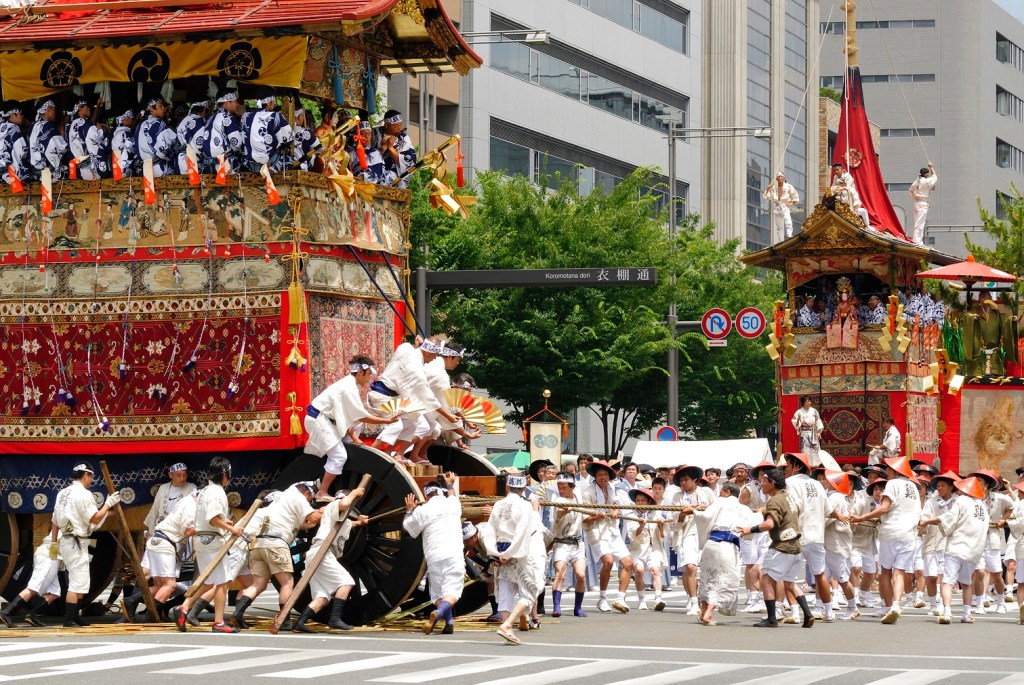
A classic traditional event is the Japanese Tea Ceremony. For the tea ceremony, plain, undecorated kimonos are traditionally worn. The host of the ceremony provies slippers to be worn inside. Men usually wear hakamas. Gion Matsuri is one of the most known and celebrated festivals. The festival was originally used to help please the gods that were believed to control fire, earthquakes, and floods. It is common to see girls and young men wearing yukata style kimonos with traditional bags and fans.
 La Mode dans le Monde