Featured

Thailand Travels

“Fashion is a language that creates itself in clothes to interpret reality.”

-Karl Lagerfeld

To start off my blog, I will be telling you about my trip to Thailand this past summer to work on an elephant conservation project. I started this adventure by hopping on the internet, and googling “teen abroad volunteer organizations”. I know, super safe right. Luckily, I found a legit website called ARCC, or Adventures Cross Country (to this day I still don’t know what the “R” stands for). When all of the papers were signed and the trip was paid for, I flew to San Francisco and met up with 11 other teenagers looking for adventure. 18 Hours and a stop in Singapore later, we had arrived in Thailand.

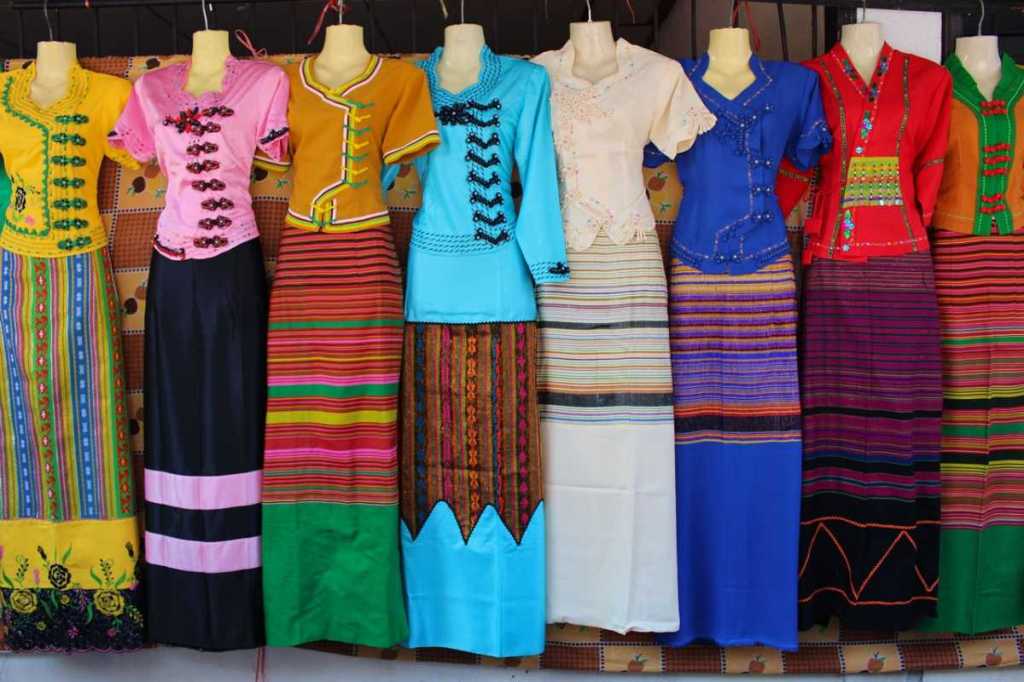
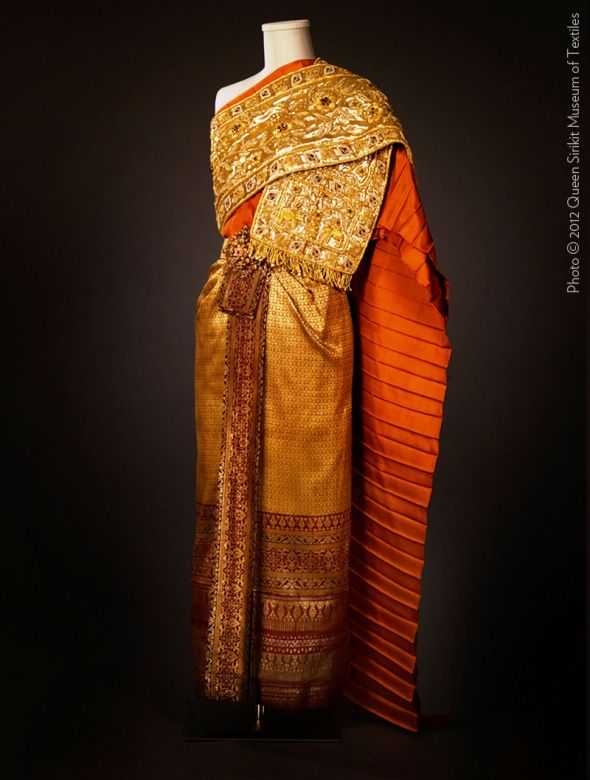
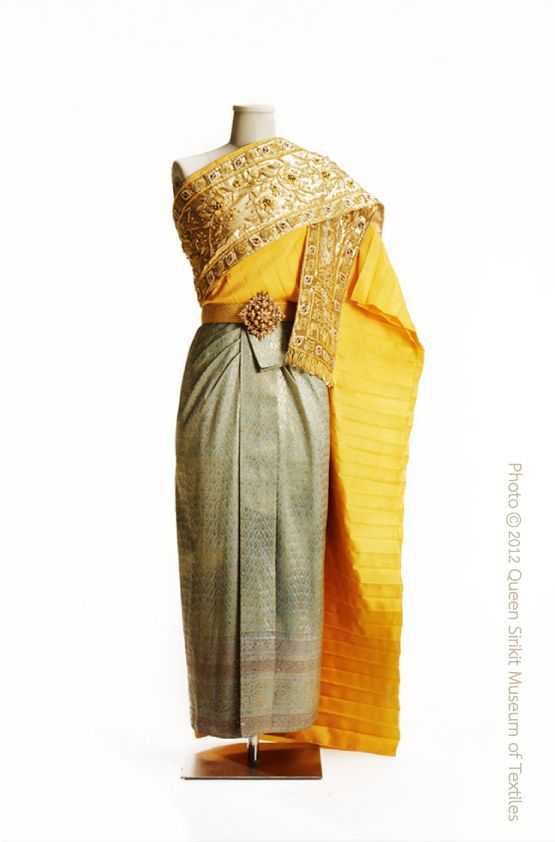
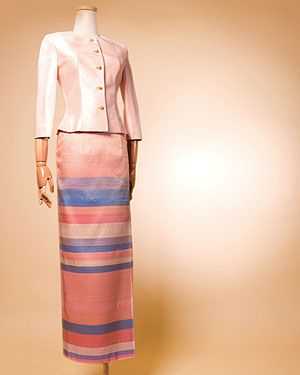
Now, fashion in other countries, I’ve come to realize over the years, is very different than it is in America. It is generally more fashion forward and thought through, rather than showing up places in sweatpants and a T-shirt. This realization continued in Thailand. As we stepped off of the plane, we immediately noticed how the men and women running around the airport were in suits, dresses, skirts, blouses, but never jeans or sweatpants (unless you were a travelling American teenager). As we went throughout the country, the traditional Thai clothing came more and more common to us and we began to dress like the Thai people to show respect to them. What I mean by that is we didn’t wear short-shorts, crop tops, or super short dresses.
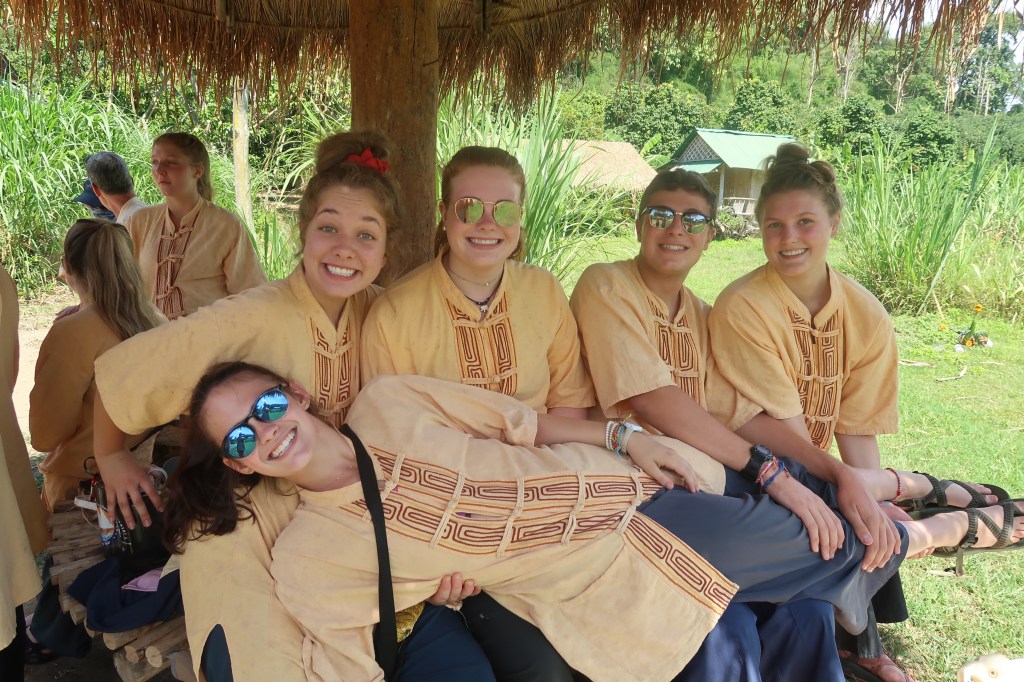
As we were all becoming accustomed to the way we should dress in Thailand, other American and–sometimes–European tourists became more and more apparent. One particular noticeable group of tourists came upon us while we were visiting an elephant sanctuary for previously abused elephants. Sporting shorts that, really, should not be allowed to be called anything but underwear, crop tops, and about 50 layers of makeup, a group of American college-aged tourists were placed in our group. Now, at this point in time we’ve been here for about two weeks, and in case you haven’t pictured it already, 12 teenagers who have been backpacking across Thailand isn’t necessarily the best looking, most fashion-forward group of people. We are in baggy shirts and flowy pants and if we had hair past our shoulders, it was in a messy bun because of the scorching heat. But, despite all of that, we were actually showing respect to the native people of Thailand. It is considered inconsiderate if you are drawing attention to your body because in Thai tradition, your spirit, actions, and respect are the most important things to show off.

For special occasions, such as visiting a temple, you need even more respectful attire. They are very strict about dress codes in places with a considerable amount of holiness attached to them. Seriously if the people at the entrances of temples don’t like what you’re wearing they will make you rent a robe or pants to put on over your outfit.
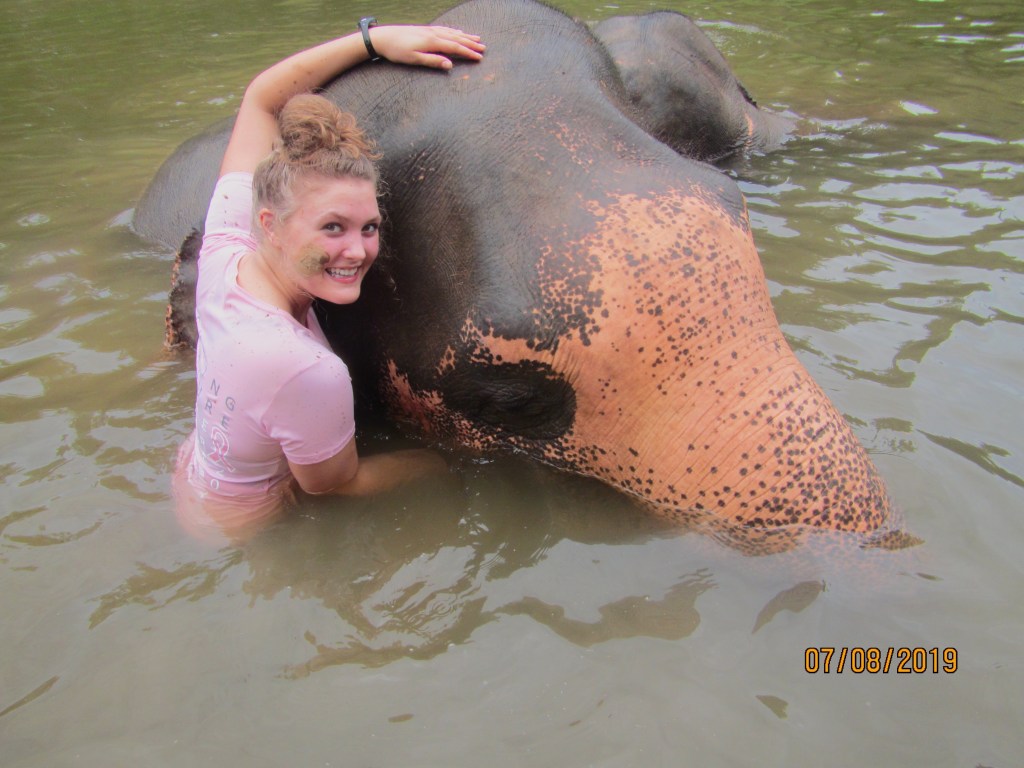
Even while we were swimming or playing in the water with rescued elephants, we still wore shirts over our swimsuits to avoid causing anyone to be offended. Overall, people just dress in a nice and respectful manner when they go out in public.
Norwegian Tradition

Making our way north, this week’s country is Norway. Just a fun fact about me, I’m mostly Norwegian because my dad is fully Norwegian and my mom is about half. My great-great-great-great-grandparents on my dad’s side immigrated to the United States from Norway a long time ago. They then bought a farm, and about one-hundred and fifty or so years passed and now I am living in the exact same house (with some modifications like a new roof of course) on the exact same farm. Kinda cool kinda not cool to be living in a 150 year old house lol.

Everyday Fashion

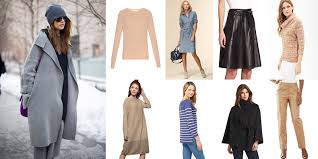
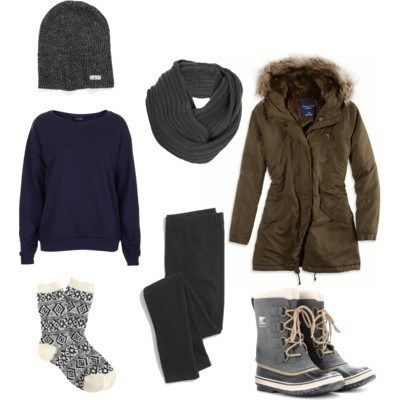
Anyway, in Norway, it’s pretty cold because it’s a good ways up north. It gets slightly warmer in the summer of course but generally temps are lower and it’s more snowy. For a causal day in Norway one would most likely wear boots, a long sleeve, long-pants, and a warmer layer like a sweater or a fleece. In the colder months a hat and mittens would be a good idea along with thick socks for those boots.

The style isn’t super different compared to here, just what you would wear in the winter is what they wear most of the year round. Except they most likely wouldn’t wear sweatpants and a sweatshirt in public there. So if you’re planning a trip to Norway, just remember to layer so you aren’t freezing and you can take off a layer if you’re too warm.

What to pack for your trip to Norway

Traditional Norwegian Fashion

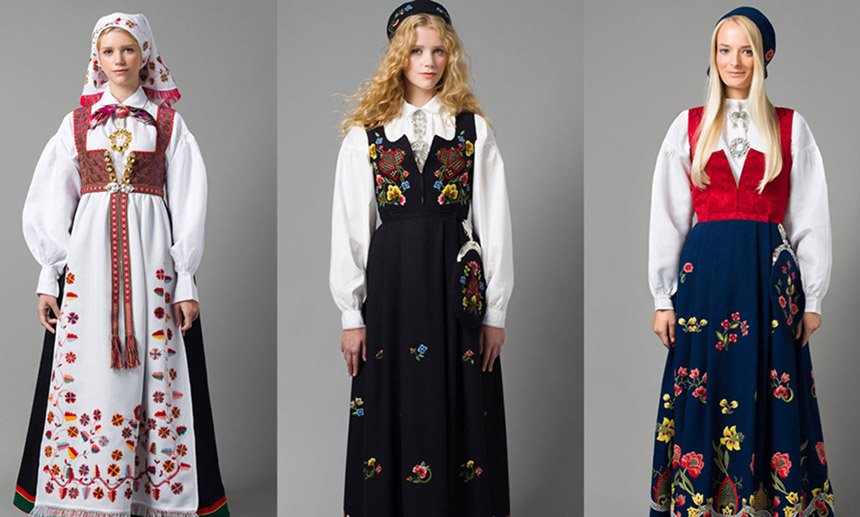
Now onto a more interesting topic, traditional Norwegian fashion. The most well known traditional Norwegian outfit is called a bunad. The bunad is most commonly worn on Norway’s national day, where people are usually seen milling about wearing the traditional outfits. Another common place that traditional clothing is worn is weddings and also birthdays and folk dances. Folk dances are done on special occasions such as weddings as well, and also during Christmas celebrations and other holidays.

Traditional Bunads

Japanese Fashion Trends

Street Fashion

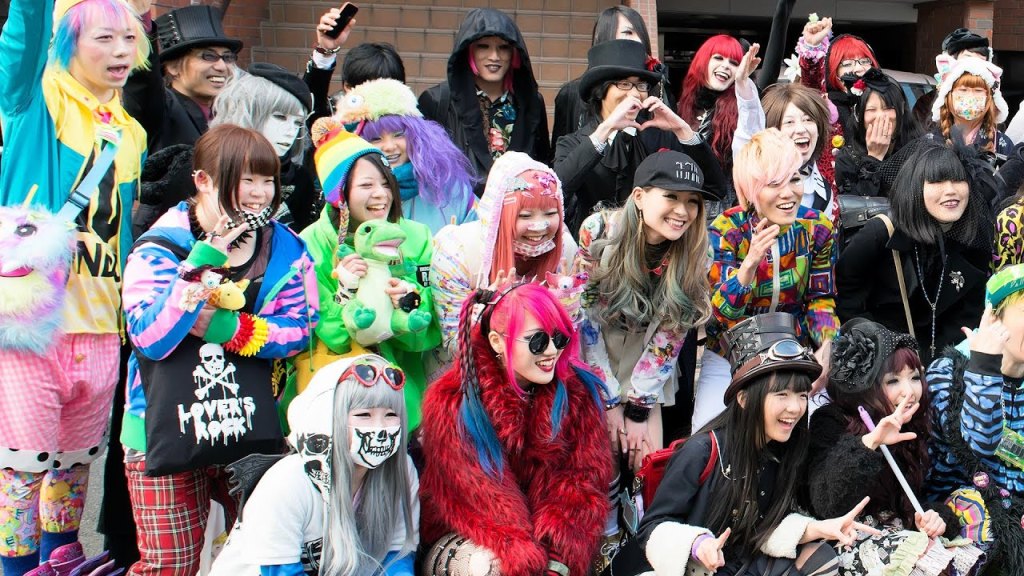
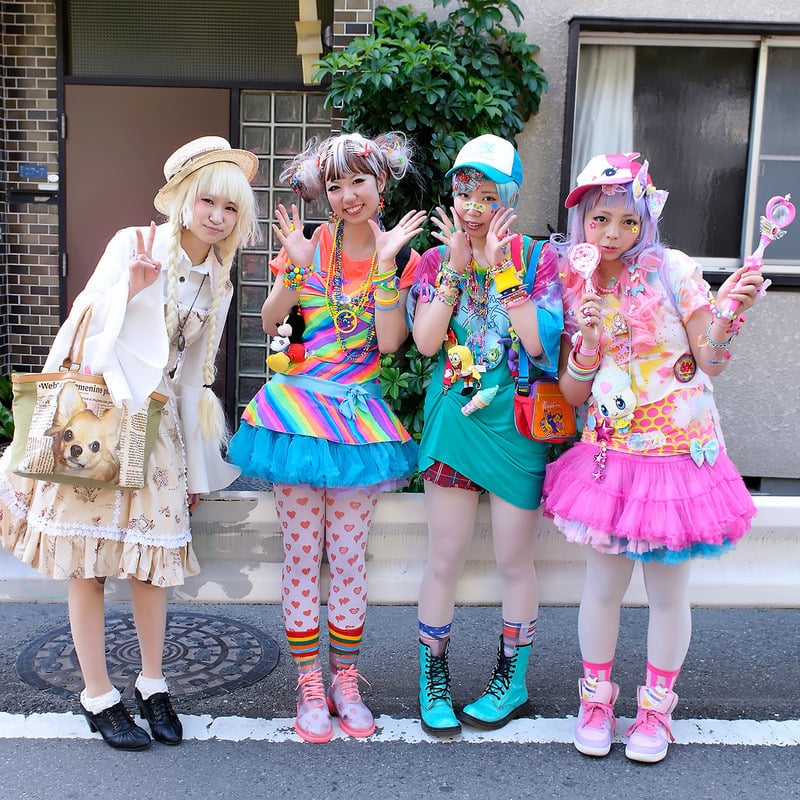
Street fashion in Japan tends to bring out the latest trends to the public’s eye. Major cities such as Tokyo, Harajuku, and Shibuya are known for their dynamic and influencing street fashion culture. One of the most commonly known styles are “Harajuku Girls” if you’ve ever heard of them. In Harajuku fashion, layering is a big thing due to the believed notion that “more is more”. There are different types of Harajuku and other street styles but they all go above and beyond, some mixing in punk-rock looks or bright, pastel colors.

Traditional Japanese Fashion

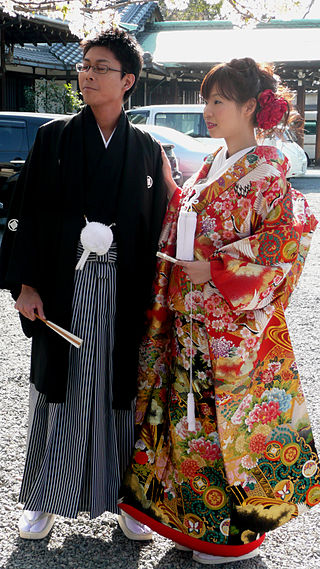
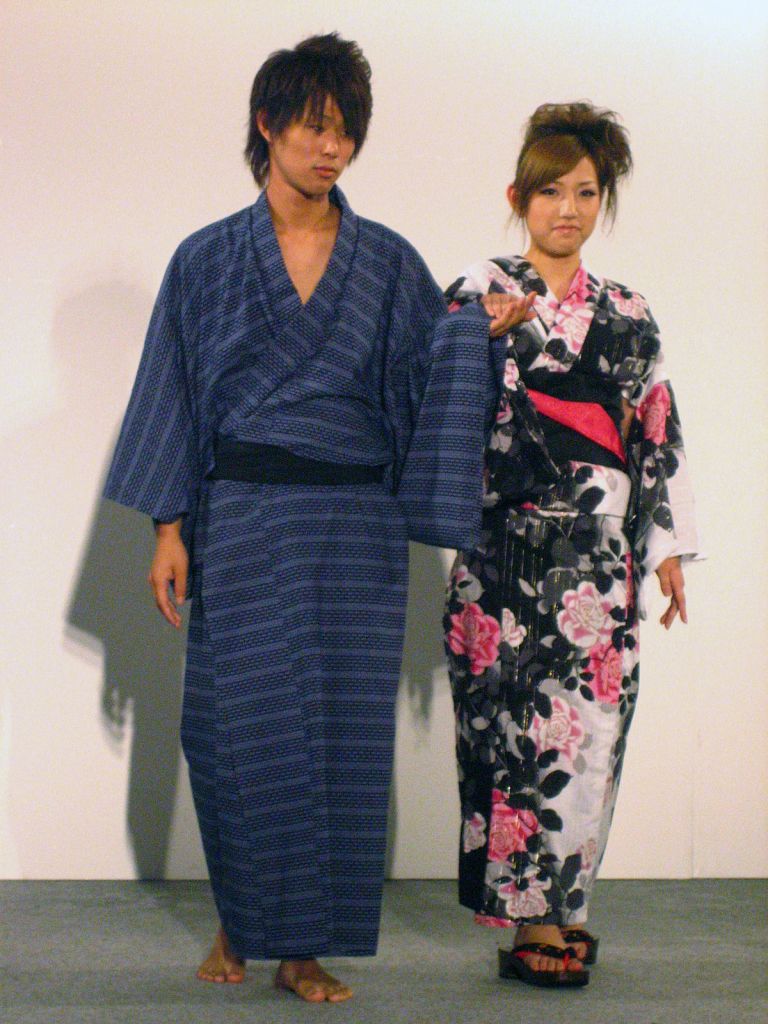
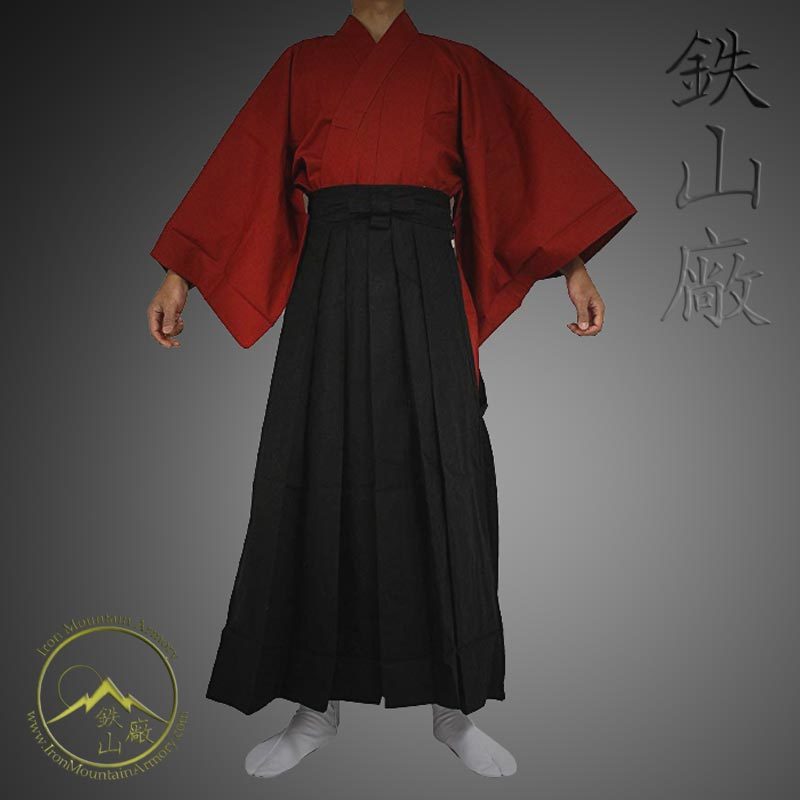
Now to dial it back down a little to the original fashion trends of Japan. The kimono is one of the most well known pieces of traditional Japanese clothing. It is used in various occasions, including traditional Shinto weddings, graduation ceremonies, weddings, and funerals. However, the kimono has gathered a reputation for itself for being uncomfortable and difficult to put on and wear. Some slightly more casual pieces that have slowly begun to replace the kimono are the yukata and the hakama. The traditional clothing is not worn very often, and is saved for more significant events. The different colors and materials of the clothing are used for different events, and along with that are often worn based on the season.

The first picture shown is a man and woman in traditional kimono wear. In the second picture, the couple is wearing yukatas. The third picture shows a hakama.

Events and Coordinating Outfits

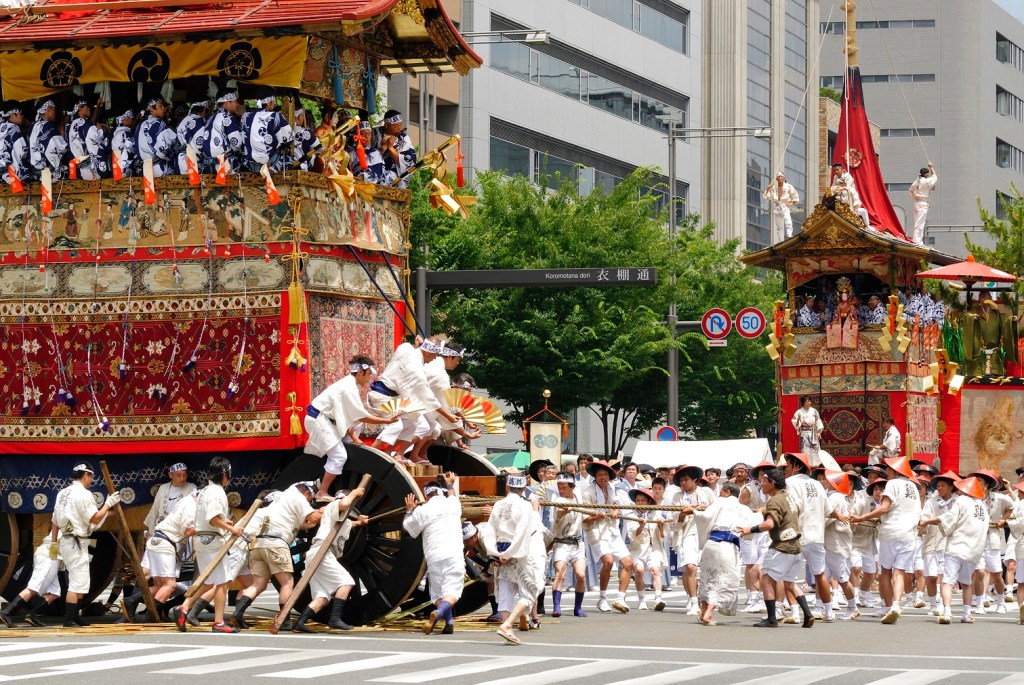
A classic traditional event is the Japanese Tea Ceremony. For the tea ceremony, plain, undecorated kimonos are traditionally worn. The host of the ceremony provies slippers to be worn inside. Men usually wear hakamas. Gion Matsuri is one of the most known and celebrated festivals. The festival was originally used to help please the gods that were believed to control fire, earthquakes, and floods. It is common to see girls and young men wearing yukata style kimonos with traditional bags and fans.

Floats in the Gion Matsuri Parade in Kyoto

Indian Fashion

Traditional Fashion

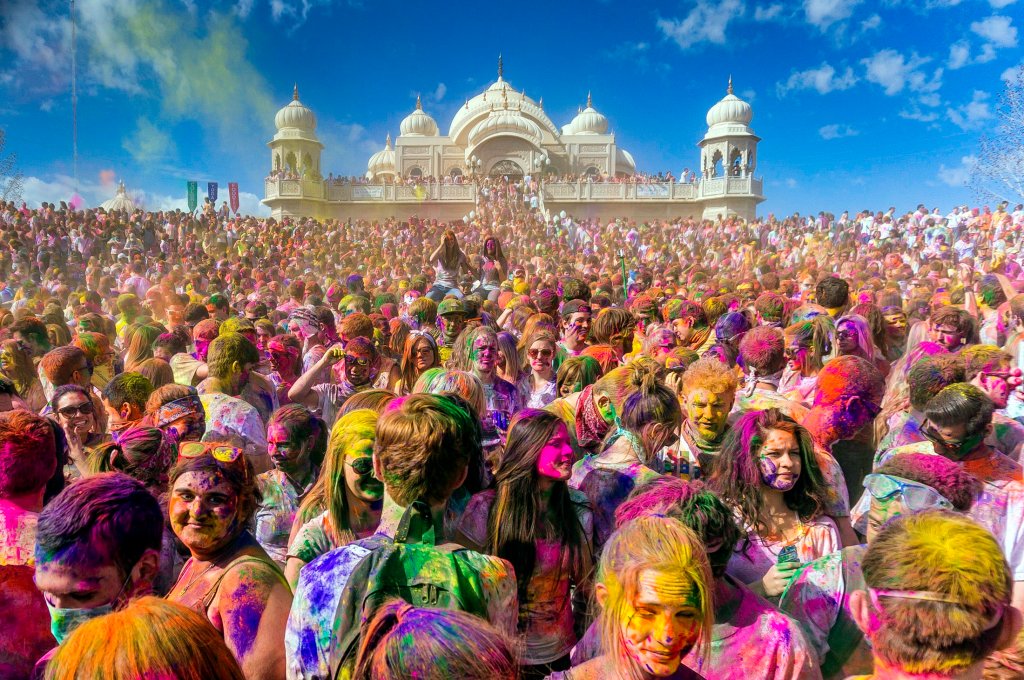
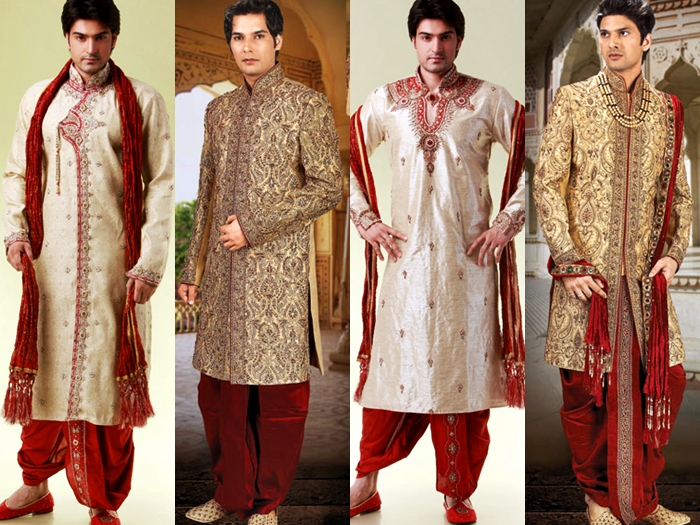
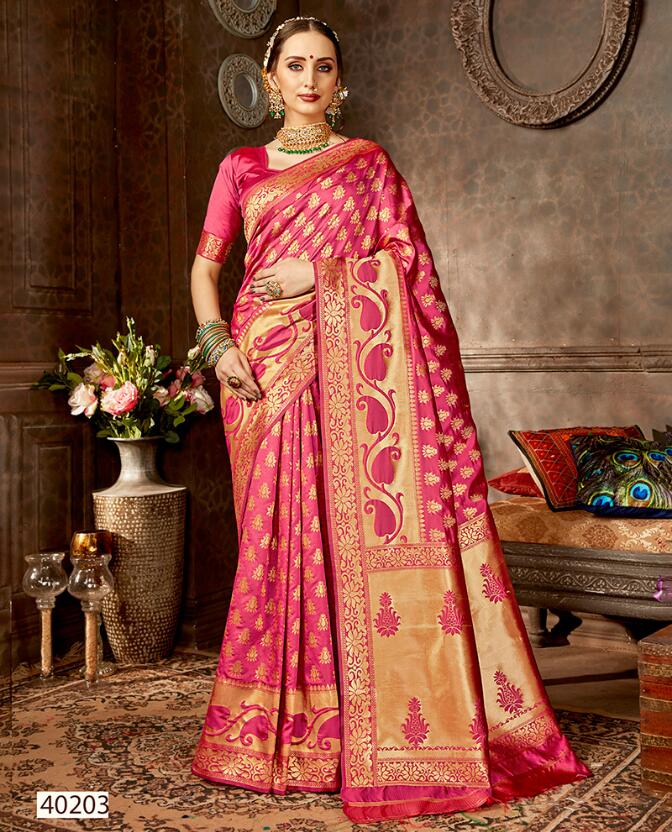
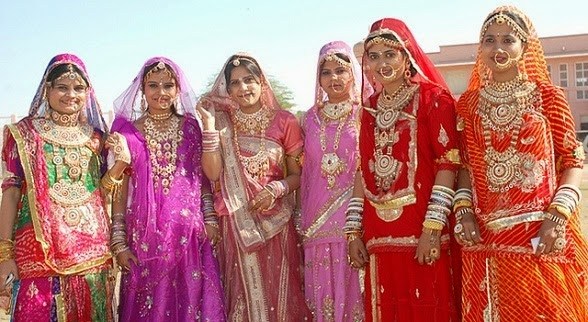
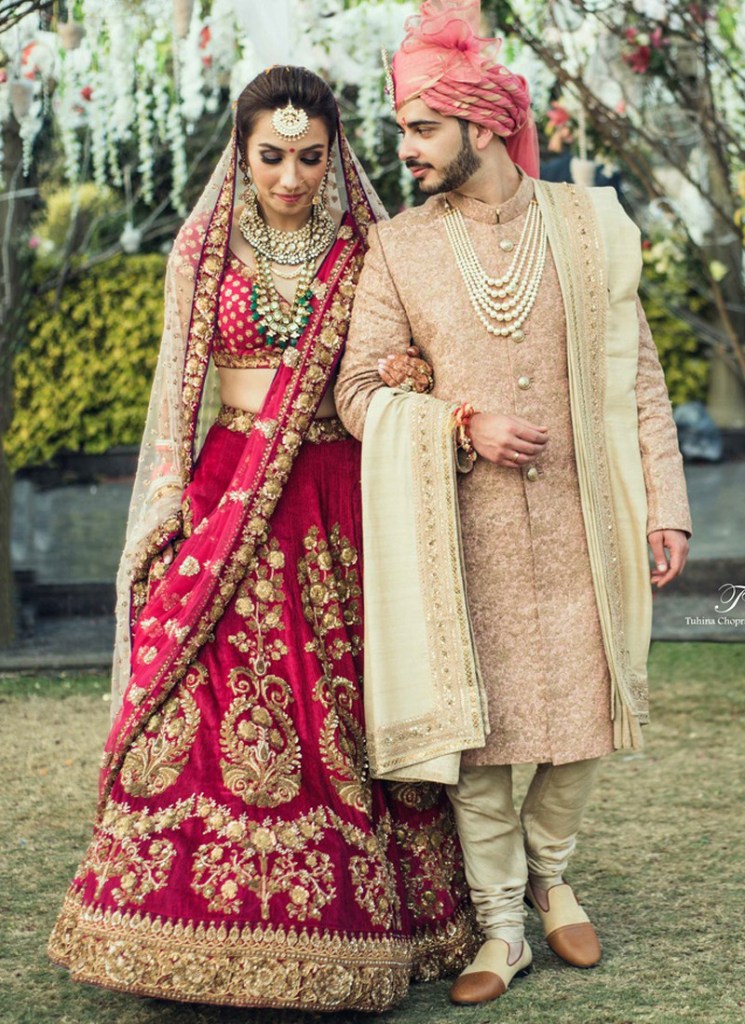
There are many traditional clothing pieces in Indian fashion. Some of these include saris and wraps, salwaar kameez, dhotis, and angrakhas. Along with traditional styles of clothing, they often use colors for specific occasions based on a religious holiday or something similar. For example the Holi festival in India is also known as the Festival of Colors. The festival signifies the strength of good over evil. A big part of the celebration is throwing different colored powders and dyes onto one another, so often people start the festival by wearing white to show the colors more distinctly.

Everyday Fashion

While some may think that fashion in India is conservative at all times, that isn’t always the case. It is common to see saris but not all women are obligated to wear them. It is also becoming more common for younger adults and children to dress more “westernized” because of magazines such as Vogue India and influences like the Victoria Secret Fashion show and Hollywood. Along with that, often the more wealthy kids study abroad, and bring more western-type styles and fashion home with them. While traditional clothing may be more mandatory in temples and other religious or important places, more flashy and risqué choices are perfectly fine for clubs and late-night outings.

Bollywood Fashion

If you don’t know what Bollywood is, it’s basically Hollywood in India. They create movies and Bollywood dancer groups are also popular. In Bollywood fashion, they use a lot of sequins and gold colors to attract more customers. Along with the rise of Bollywood, the “ethnic-chic” era of Indian fashion was also starting to grow. Designer Rita Kumar brought back original Indian fashion trends, starting by showcasing Zardozi Embroidery techniques. This grew to be popular for wedding dresses and high-end fashion.

Good ole American

Now to the land of the free, America. As I’ve mentioned before, Americans tend to dress a tad bit more casually than, like, any other countries (except some European ones lol no hate though). Now nothing’s wrong with that, it’s just unique to us.

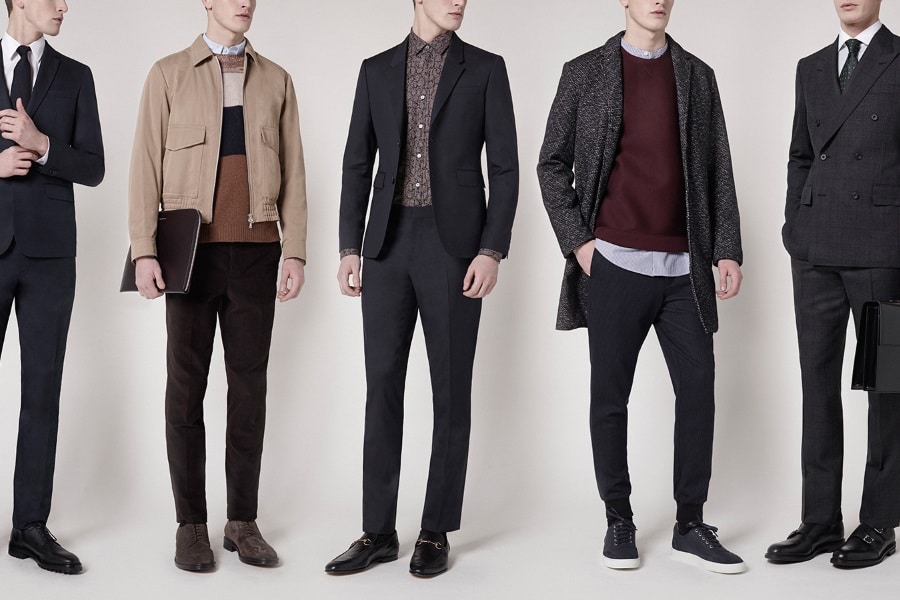
Some might describe american style as trashy, but that’s not always the case. We clean up pretty nice if the dress code is specified as “Business Casual” or formal wear. Here are a couple examples of what one may wear to work that isn’t in a casual setting.

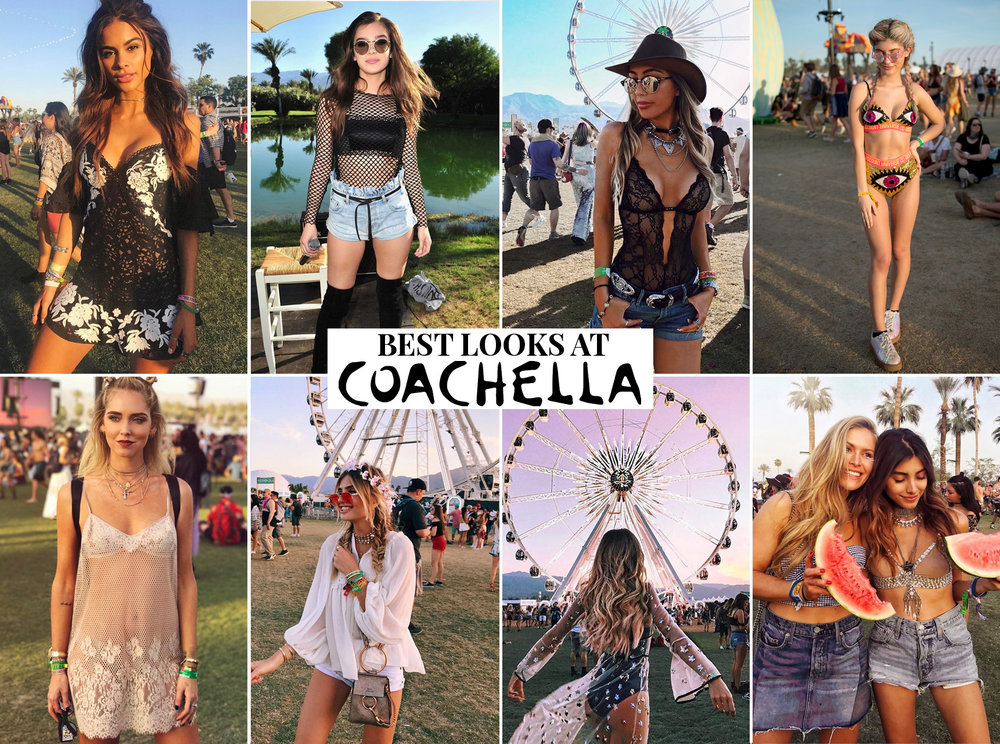
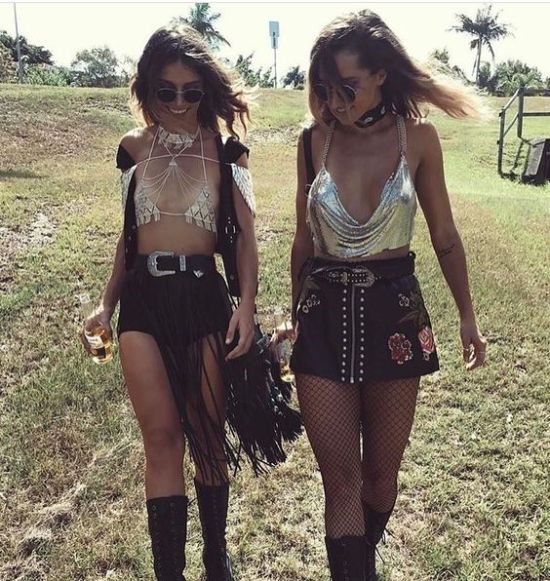
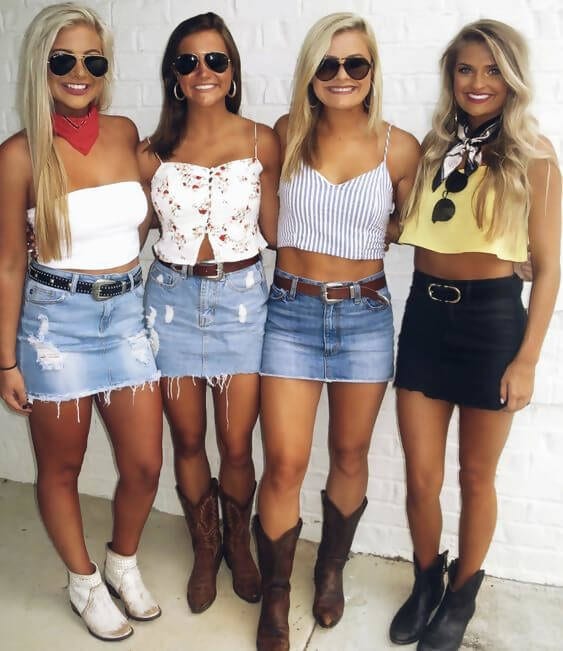
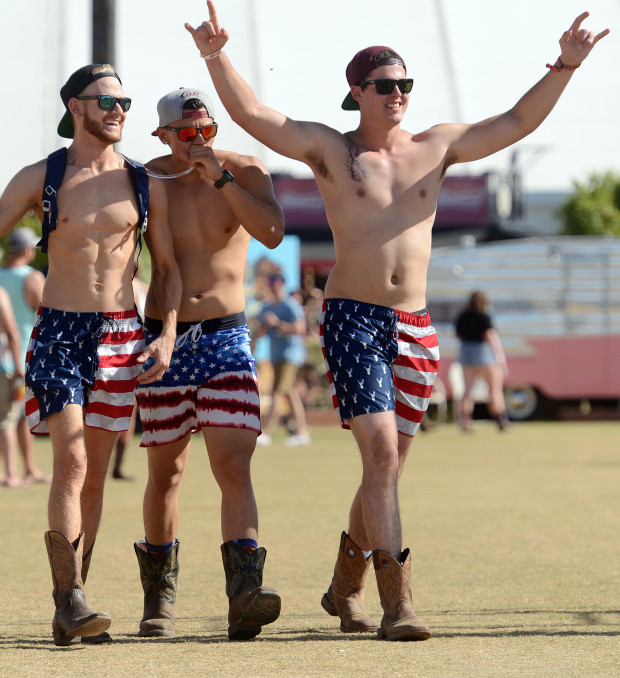
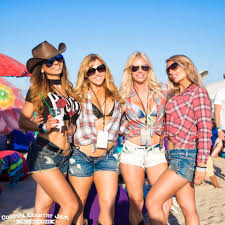
Now on the total opposite side of the spectrum, we have the types of outfits that Americans wear to concerts, festivals, etc. This is where the stereotypical “trashy” look comes in. This tends to include cut-off short-shorts and crop tops or even bikini tops. Or honestly just super outgoing and insane outfits cuz people like to go all out at events like coachella, or a typical Saturday in the summer. There’s nothing wrong with showing off what you got, people in other countries just think we’re kind of crazy (except the UK) but that’s fine.

Like seriously in Thailand the only people dressed worse according to the culture than us was this group of English tourists and trust me, you don’t want to know what these people were wearing to religious sites and temples and such. It was scary and uncomfortable.

Below are some classic American Country Jam and Coachella outfits, along with some basic summer classics.

So the moral of this blog post is pretty much: Americans are pretty wild when it comes to an opportunity to show off or dress up. Other countries might call it rude or trashy, we call it tradition :p

French Fashion

So just a beginning disclaimer, I’ve never been to France. I was in a french class for about 4 years where we honestly talked about the food and fashion of France a lot more than we actually spoke french. I personally love french fashion. It’s so elegant, chic, and not overly gaudy or extra. In my class, we went through an entire section called “La Mode” which essentially means “The Fashion”. Many believe that french fashion is the ideal style, I would say that agreeing with this, many iconic trends in the fashion world started in France, or by french people.

French Fashion Icons

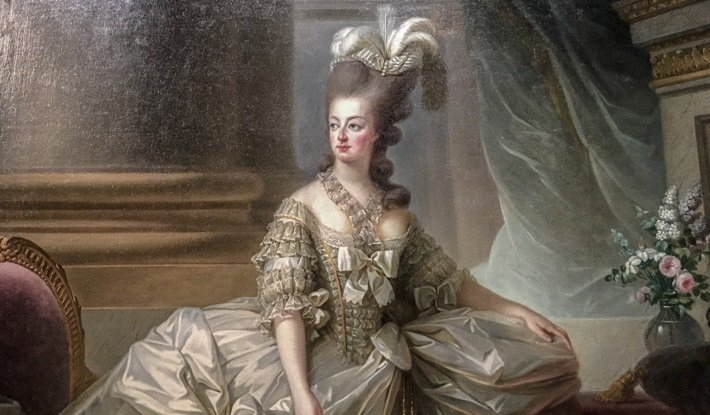
Paris, France is considered one of the fashion capitals of the world. This dates back to when the industry started hundreds of years ago, because they were the first to recognize clothing as a business. One of the first fashion icons of the world was Queen Marie-Antoinette. Yes she’s the one who got her head cut off during the French Revolution. Basically the french hated her because she was all about her style and not really all about taking care of her subjects. Anyway, she popularized sky-high wigs, feathers in hair, and custom made dresses. Her custom-made statement pieces and style created the category “Haute Couture”.

Marie-Antoinette

Next on the iconic persons list is Coco Chanel. You probably have heard of her, or at least the brand Chanel. Coco started the trend of boyish and simple clothing. She first came out with her line in 1925, just five years after the first debut of the fashion magazine, Vogue. Chanel still reigns today as one of the luxury brands in the fashion world. I actually spent almost an entire month studying Coco Chanel as a part of our “La Mode” chapter.

Coco Chanel

Ah Yves Saint Laurent. I have to say he is one of my favorite designers to shop. I don’t actually ever, you know, buy anything, I just go on the website and add things to my favorites list, knowing that I will most likely never own any of it. Well to get back on track, he started the “ready-to-wear” change in France. This means that clothing started to be mass-manufactured and clothes began to be more affordable. Ha, as if Saint Laurent could ever be considered “affordable”.

Yves Saint Laurent

Fashion in France Today

Nowadays, french women are praised for their ability to be chic at all hours of the day without spending hours and hours getting ready. French men have the same, effortless, yet maintaining elegancy, look about them. Pretty much whatever the french are doing, they’re doing it stylishly. In my previous post, I talked about how in Thailand, they don’t ever go in public in say, sweats or joggers. Well it’s the same thing in France, even if you’re just going to the grocery store, you should look at least somewhat put together. There is generally a higher standard of fashion and style.

Daily Winter Looks

Design a site like this with WordPress.com
Get started